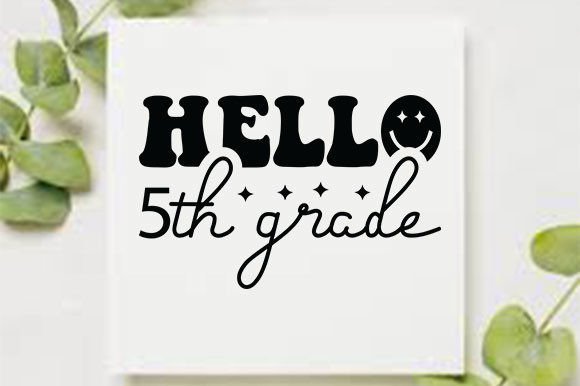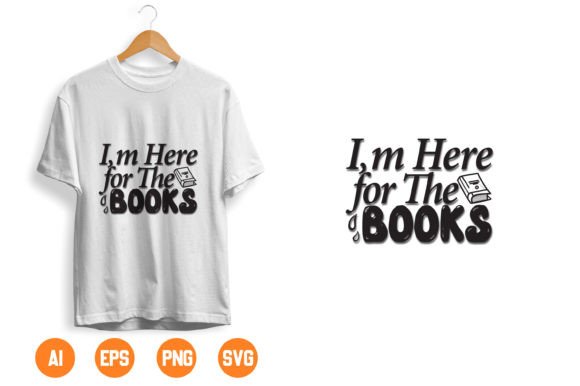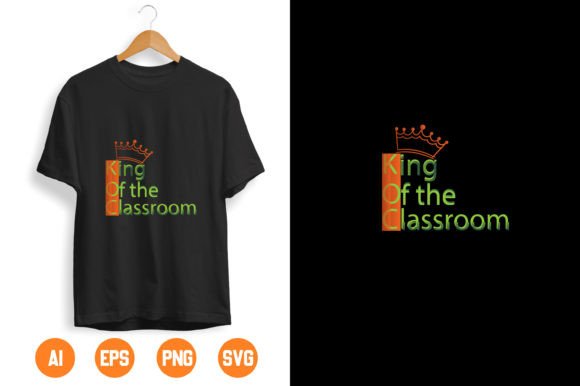
Retro Back to School T-shirt Design, Wel
There’s a quiet resurgence happening—not in classrooms, but in closets, creative studios, and small-batch apparel businesses. Retro Back to School T-shirt Design, Wel is more than nostalgic typography or faded color palettes. It’s a functional design asset built for real-world use: a ready-to-deploy, multi-format welcome-back motif that bridges retro charm with modern production needs. At its core, it’s a single cohesive visual statement—“Wel”—crafted as a stylized, vintage-inspired abbreviation of “Welcome,” optimized for screen printing, vinyl cutting, embroidery digitizing, and digital wearables.
Why “Wel” Fits Today’s Creative and Commercial Rhythms
Adults aged 20–50 aren’t just buying t-shirts—they’re curating tools. Educators order class shirts before the first bell. Freelance designers source clean vector assets for client back-to-school campaigns. Small business owners print limited runs for local school fundraisers or community events. Hobbyists cut heat-transfer vinyl for family photo sessions or PTA volunteer gear. In each case, speed, compatibility, and adaptability matter more than ever. That’s where the included file suite makes a tangible difference: one EPS for professional print shops, one SVG for Cricut and Silhouette users, one high-res PNG for mockups or social previews, and one DXF for CNC or laser-cut workflows. No conversions. No scaling artifacts. No licensing ambiguity.
This isn’t about chasing nostalgia for its own sake. It’s about recognizing that “back to school” has expanded beyond August calendars. Micro-schools, homeschool collectives, adult education cohorts, coding bootcamps, and even corporate onboarding programs now mark seasonal transitions with intentional, human-centered rituals. A well-executed “Wel” design signals warmth without cliché—no apples, no chalkboards, no cartoon pencils. Just confident, legible, time-tested letterforms with subtle texture, balanced kerning, and intentional weight contrast.
How File Format Diversity Solves Real Problems
Consider two common scenarios:
- A middle school art teacher needs 30 shirts for her mural team by Friday. She uploads the SVG to her school’s Glowforge dashboard, adjusts size, and hits print—no designer on staff required.
- A boutique apparel brand launching a “Teachers’ Lounge” capsule collection sources the EPS for screen-print separation, then uses the PNG to generate Instagram carousels showing the design on different shirt colors and fabric textures.
The inclusion of DXF is especially pragmatic. Unlike SVG, DXF preserves precise geometric data critical for metal stamping, wood inlays, or acrylic signage—use cases growing among educators building makerspaces or entrepreneurs crafting branded merch for education-adjacent events (edtech conferences, literacy fairs, STEM festivals). Meanwhile, the PNG delivers immediate utility: drag-and-drop into Canva, place over lifestyle photos, test contrast on heather grey vs. navy, or embed in email newsletters announcing fall programming.
From Trend to Tool: The Shift in Design Expectations
Five years ago, “retro school” meant pixel fonts and scanned notebook paper textures—often low-res, non-editable, and locked to one background color. Today’s users expect flexibility without friction. They want to adjust stroke width for a distressed ink effect—or recolor “Wel” to match a district’s official palette—or isolate the “W” as a standalone logo for a faculty lanyard. That level of control requires vector-native construction, not raster approximations. The EPS and SVG files here were built with layered paths, ungrouped letters, and non-destructive effects—meaning a graphic designer can tweak tracking in Illustrator or convert outlines to editable text in Affinity Designer without breaking integrity.
This reflects a broader shift: professionals no longer treat design files as finished deliverables. They treat them as editable infrastructure. Whether you’re a marketing manager updating a university’s orientation campaign or a freelance illustrator building a custom kit for a Montessori co-op, having native-format access means less time troubleshooting and more time connecting—through shared visual language.
Practical Integration Across Roles
Educators: Use the PNG to create printable welcome banners for classroom doors or Google Slides headers for virtual meet-the-teacher nights. Pair the SVG with a free tool like Inkscape to add student names beneath “Wel” for personalized first-day gifts.
Small Business Owners: Load the DXF into your Roland BN-20 to cut reflective vinyl for safety vests worn by after-school program staff. Then use the same EPS in your screen-print quote sheet—clients see consistency across applications, reinforcing brand reliability.
Content Creators & Bloggers: Embed the PNG in a “Back-to-School Branding Kit” download for readers. Link to your own tutorial (“How I Used Retro Back to School T-shirt Design, Wel to Launch My Etsy Shop”)—not as clickbait, but as documented, reproducible workflow.
Hobbyists & Parents: Cut the SVG from iron-on flock for soft, tactile tees kids won’t complain about. Or layer it over a photo of last year’s first-day outfit in Photoshop—using the PNG’s transparency—to create a “Then & Wel” social post that feels personal, not promotional.
What Hasn’t Changed—And Why That Matters
Despite evolving tools, some fundamentals hold: legibility at arm’s length, emotional resonance over irony, and respect for context. “Wel” works because it avoids over-design. There are no forced gradients, no gratuitous halftones, no animated GIF versions muddying the intent. It’s restrained—but not sterile. Friendly—but not childish. Distinct—but not obscure. That balance is why it fits equally well on a librarian’s pocket tee and a university admissions officer’s conference lanyard.
This restraint also future-proofs the design. While trends cycle—grunge, vaporwave, Y2K revival—the underlying principles of strong typography, intentional spacing, and format-agnostic construction remain constant. You won’t need to re-buy “Retro back To School T-shirt Design, welcome back to school” next season because the files scale across mediums, audiences, and use cases—not just aesthetics.
Getting Started Without Overcomplicating It
You don’t need a design degree or a $2,000 printer to benefit. Start small:
- Open the SVG in your cutting machine software. Resize to 10 inches wide. Cut one shirt. Notice how cleanly the curves hold at that scale.
- Drop the PNG into a free mockup generator (like Smartmockups or Placeit). Try it on a relaxed-fit unisex tee versus a fitted women’s cut. See how spacing shifts—and adjust if needed.
- Import the EPS into Illustrator. Select the “e” and apply a subtle 1px inner glow (blending mode: Multiply, opacity 30%). That tiny detail adds depth without sacrificing clarity.
Each step reinforces something practical: that this isn’t just decoration—it’s a responsive component in your creative stack. It adapts because it was built to.
Looking Ahead—Without Looking Away
The demand for thoughtful, production-ready retro design won’t fade—it will refine. As remote learning stabilizes and hybrid models persist, the visual language of “return,” “reconnection,” and “readiness” gains new layers of meaning. “Wel” succeeds because it doesn’t try to say everything. It says enough—and leaves room for people to project their own stories onto it. Whether printed on organic cotton for a charter school’s parent committee or embroidered on caps for a teacher residency program, it carries weight without heaviness.
That’s the quiet strength of Retro Back to School T-shirt Design, Wel: it meets current technical expectations while honoring timeless human ones—clarity, warmth, and the quiet confidence that comes from being prepared, not just dressed up.