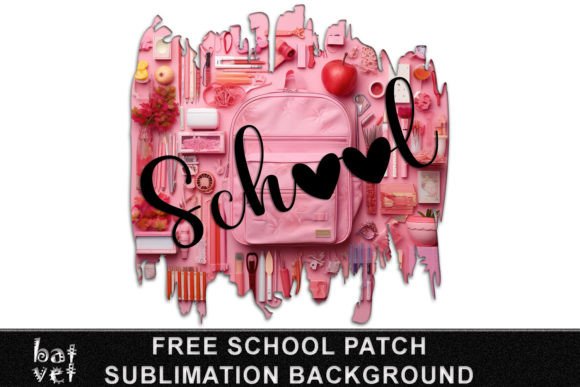
Time to Learn Back to School SVG: A Practical Design Asset for Educators and Creators
For educators preparing classroom materials, small business owners launching seasonal merchandise, or freelance designers building a back-to-school collection, the Time to Learn Back to School SVG serves as a straightforward, production-ready asset—not a novelty item, but a functional vector resource. Unlike generic clipart or low-resolution PNGs, this design delivers clean scalability, format versatility, and intentional visual clarity. Its value lies not in novelty, but in reliability across real-world applications: from vinyl-cut classroom signs to printable student welcome cards, custom apparel for school staff, or digital newsletters aimed at families.
What Makes This SVG More Than Just a Graphic?
The Time to Learn Back-to-school design is built with purposeful simplicity. It avoids excessive detail or trendy typography that dates quickly—instead favoring legible, balanced letterforms and a cohesive iconographic motif (often incorporating subtle academic elements like open books, pencils, or graduation caps). Because it’s delivered in native vector formats—EPS and SVG—it retains crisp edges at any size, whether scaled down to 1 inch for a sticker or enlarged to 36 inches for a hallway poster. That scalability isn’t theoretical; it translates directly to fewer production hiccups when importing into Cricut Design Space, Silhouette Studio, Adobe Illustrator, or Canva.
The inclusion of a high-resolution PNG (typically 300 DPI, transparent background) adds practical flexibility. Users who don’t work with vector editors—say, a PTA volunteer designing a flyer in Google Slides or Microsoft Word—can still drop in a polished, print-ready version without transparency issues or pixelation.
Real-World Usability Across Common Workflows
In practice, the Time to Learn Back to School SVG performs well where many similar assets fall short: consistency across output methods. Vinyl cutters handle the SVG paths cleanly, with minimal node cleanup required. Print-on-demand platforms like Printful or Redbubble accept the EPS or PNG without color-shifting surprises, especially when saved in sRGB color space (a detail worth verifying before upload). For educators using the file in Google Classroom or LMS platforms, the PNG integrates seamlessly into slide decks or PDF handouts—no font substitution errors, no missing glyphs.
One underrated strength is its neutral tone. It conveys readiness and positivity without leaning too young (no cartoonish fonts or babyish colors) or too formal (no serif-heavy academic clichés). That balance makes it appropriate for elementary through high school contexts—and equally useful for adult education programs or professional development workshops launching in August.
Who Benefits Most—and How?
Educators and school support staff use this design most frequently for physical and digital communication: laminated “Welcome Back” signs for classroom doors, editable name tags for orientation week, or consistent branding across weekly newsletters. Because the file is fully editable, teachers can change colors to match school branding or add grade-level text (e.g., “Grade 5: Time to Learn”) without needing design software expertise—just basic knowledge of how to ungroup and edit layers in their preferred tool.
Small business owners and makers find utility in its merchandising flexibility. A local bookstore might apply the design to tote bags for a summer reading kickoff event; a craft studio could turn it into iron-on transfers for teacher appreciation hoodies. The vector foundation means resizing for different product dimensions—mugs vs. posters vs. stickers—requires no redesign, only proportionate scaling and minor spacing adjustments.
Freelance designers and content creators often incorporate assets like this into larger kits—back-to-school social media bundles, Canva template packs, or printable planner collections. The clean vector structure allows easy recoloring, layering with complementary graphics (calendars, checklists), or integration into multi-element compositions without visual competition.
Quality and Limitations: A Balanced View
The file set meets baseline professional expectations: properly layered SVG/EPS files, embedded fonts converted to outlines (avoiding missing-font warnings), and PNGs with accurate anti-aliasing. There are no visible artifacts, stray anchor points, or inconsistent stroke weights—common red flags in low-cost design marketplaces. However, it’s not a full branding system. It doesn’t include alternate layouts, icon variants, or matching pattern backgrounds. Users seeking extensive customization—like animated versions, multilingual adaptations, or accessibility-optimized contrast variants—will need to modify the file themselves or commission additional work.
Also worth noting: while the design is described as “fully editable,” true editing depth depends on the user’s software proficiency. Someone using only free tools like Inkscape or Vectr may face a slight learning curve adjusting Bezier handles or managing compound paths—but basic color swaps and text additions remain accessible.
Integration Tips for Better Results
- For Cricut/Silhouette users: Import the SVG directly—avoid flattening unless necessary. Check that all text is outlined and strokes are set to “cut” or “score” appropriately before sending to the machine.
- For print-on-demand: Use the EPS or high-res PNG. Confirm dimensions match platform requirements (e.g., 4500×5400 px for standard poster uploads) and embed color profiles to prevent shifts between screen and print.
- For educators: Pair the design with simple, evidence-informed messaging. Instead of just “Time to Learn,” consider adding a brief, actionable line beneath: “Let’s build routines together” or “Growth starts here”—keeping tone supportive, not prescriptive.
- For digital use: Resize thoughtfully. On social media, place the design against ample negative space—not crammed into corners. On websites or email headers, ensure contrast meets WCAG 2.1 AA standards (minimum 4.5:1 for body text equivalents).
Long-Term Value and Strategic Fit
This isn’t a one-season asset. The phrase “Time to Learn” avoids dated slang or year-specific references (“Class of 2025”), making the Time to Learn Back to School SVG reusable across multiple academic years with minimal updates—just adjust supporting copy or accent colors. That longevity matters for schools operating on tight budgets and creators building evergreen product lines.
Its greatest strategic fit emerges when aligned with clear goals: reinforcing community, lowering design overhead for time-constrained professionals, or maintaining visual coherence across touchpoints. It won’t replace thoughtful pedagogy or brand strategy—but it reliably supports both, quietly and effectively. For anyone regularly producing back-to-school materials, it earns its place not as a decorative flourish, but as a functional component in a working toolkit.