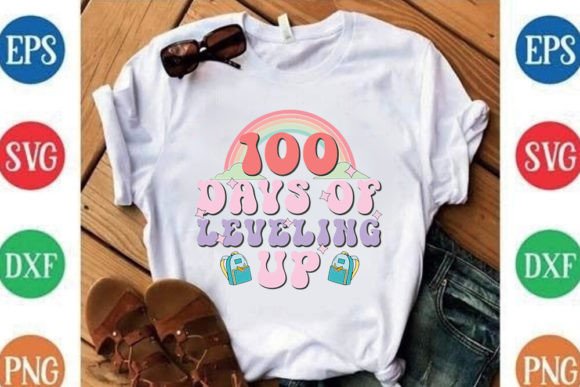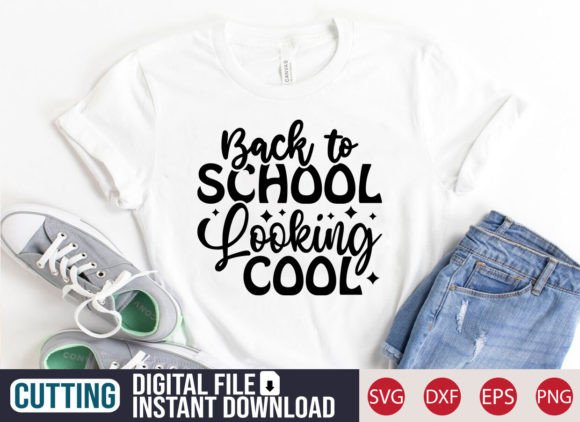
Back to School Looking Cool SVG Craft: A Practical Guide for Designers and Makers
Back to School Looking Cool SVG Craft refers to a curated digital design resource—specifically a downloadable zip package containing versatile, production-ready vector and raster files tailored for seasonal crafting and personalization. Unlike generic school-themed clipart or low-resolution PNGs, this set is built with technical precision and creative flexibility in mind. It includes one SVG file (ideal for cutting machines like Cricut and Silhouette), one high-resolution PNG (for quick digital use or print overlays), one EPS file (compatible with professional Adobe workflows), and one DXF file (used in CAD-based cutting systems). Each file shares the same clean, scalable vector artwork—100% editable, fully resizable without quality loss, and delivered at 300 DPI in CMYK color mode for accurate print output.
What Sets This Back to School Looking Cool SVG Craft Apart?
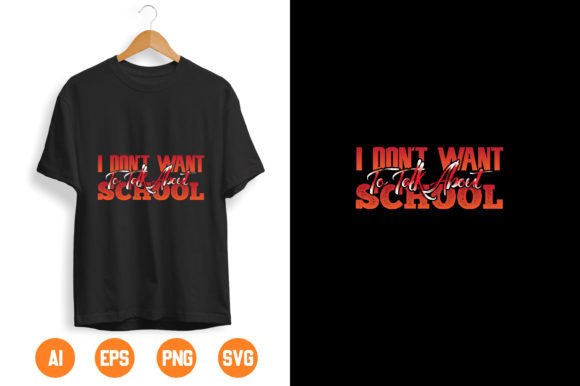
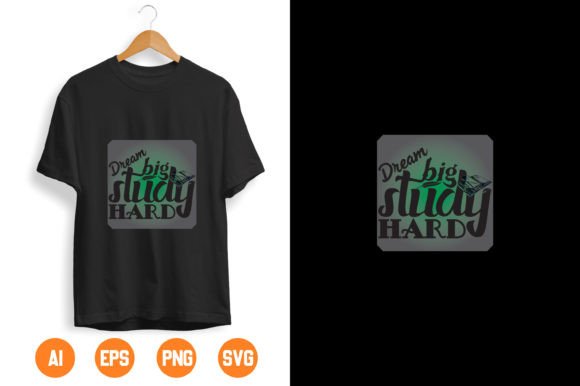
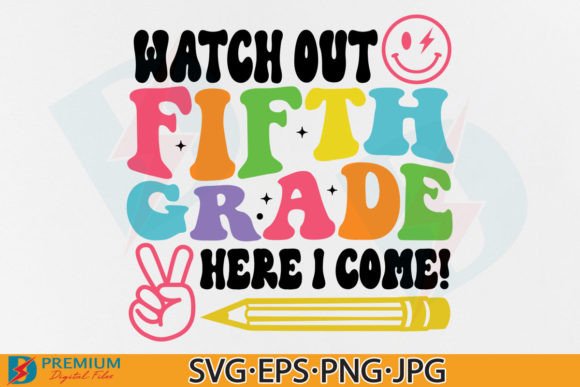
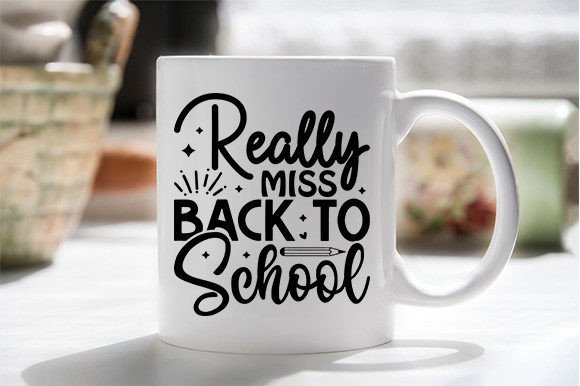
The distinction lies not just in format variety but in intentional design execution. Many school-themed SVG bundles prioritize quantity over adaptability—crowded compositions, fixed color palettes, or inconsistent line weights that limit real-world application. In contrast, this Back to School Looking Cool SVG Craft emphasizes modularity: layered elements allow easy separation of text, icons, and decorative accents; stroke paths are optimized for clean vinyl weeding; and negative space is considered for both light- and dark-material applications. The “cool” aesthetic avoids clichés—no cartoon apples or chalkboard borders—instead offering contemporary typography, subtle textures, and balanced proportions suitable for teen apparel, classroom signage, or boutique stationery.
How It Compares Across File Types and Use Cases
Understanding how each included format functions helps determine whether this Back to School Looking Cool SVG Craft fits your workflow:
- SVG: Best for hobbyists using web-based design tools (Cricut Design Space, Silhouette Studio) or basic vector editors. Supports live text editing and grouping—but lacks native support for complex gradients or transparency blending in some platforms.
- PNG: Serves as a reliable fallback for non-vector environments—think Canva templates, PowerPoint presentations, or social media graphics. Its transparent background enables quick layering, though resizing beyond original dimensions risks pixelation.
- EPS: Preferred by professional designers working in Illustrator or InDesign. Preserves full editability—including gradient meshes, clipping masks, and spot color definitions—making it ideal for commercial print jobs like custom t-shirts or school-branded merchandise.
- DXF: Essential for CNC routers, laser engravers, or industrial sign-cutting software. Unlike SVG, DXF handles precise geometric data without interpretation errors—critical when accuracy matters more than visual polish.
This multi-format approach eliminates the need to convert or trace designs manually—a common pain point when sourcing free SVGs online, where inconsistent paths or embedded raster elements compromise scalability and cut quality.
Realistic Strengths—and Where Tradeoffs Emerge
One consistent strength is consistency itself. Because all four files derive from the same master vector, color changes apply uniformly across formats. Swapping a navy blue to forest green in Illustrator updates the EPS and SVG simultaneously if linked properly—and the PNG can be recolored in seconds using adjustment layers. That level of fidelity supports batch projects: imagine producing matching teacher appreciation cards (printed from EPS), student name tags (cut from SVG), and bulletin board headers (placed via PNG in Google Slides).
However, versatility comes with boundaries. This Back to School Looking Cool SVG Craft does not include font files—only outlined text. That’s intentional: it ensures layout stability across devices but means you cannot swap typefaces unless you rework the design from scratch. Similarly, while the artwork scales infinitely, extreme enlargement (e.g., 8 ft × 4 ft banners) may require manual refinement of fine details like hairline strokes or shadow gradients—something a designer would anticipate and adjust, but a beginner might overlook.
Fitting the Right Project—and Knowing When to Look Elsewhere
This resource shines in scenarios demanding speed, reliability, and cross-platform compatibility. Consider it well-suited for:
- Educators preparing classroom materials on tight timelines;
- Small-batch crafters selling personalized backpacks or notebooks on Etsy;
- Marketing coordinators building cohesive back-to-school campaigns for local businesses;
- Parents creating custom first-day-of-school signs or photo props.
It’s less appropriate when deep customization is the priority—for example, if you need dozens of interchangeable icons (like subject-specific symbols: chemistry flasks, music notes, or coding brackets), or animated versions for digital newsletters. In those cases, a subscription-based design library or custom illustration commission may offer broader scope—even if at higher cost or longer lead time.
Another consideration is licensing. While this Back to School Looking Cool SVG Craft permits commercial use (including resale on physical items), it does not grant rights to resell the digital files themselves or claim authorship. That’s standard practice—but worth verifying if your business model relies on redistributing digital assets.
Practical Integration Tips for Better Results
To maximize value, start by testing the SVG in your primary cutting software before committing to large material runs. Check path direction, node density, and compound path integrity—especially around curved letterforms or interlocking shapes. If using the EPS in Illustrator, ungroup layers first to assess naming conventions and layer organization; rename them meaningfully (e.g., “MainText,” “AccentIcon,” “ShadowLayer”) to streamline future edits.
For print projects, always export final PDF/X-4 files directly from the EPS—not from a screenshot or exported JPEG. That preserves CMYK fidelity and embeds fonts correctly. And if adapting the design for embroidery digitizing, treat the SVG as a starting reference only: auto-digitizing tools often misinterpret thin strokes or overlapping paths, so manual cleanup remains necessary regardless of source quality.
Making an Informed Choice
Choosing this Back to School Looking Cool SVG Craft isn’t about finding the “best” school-themed graphic—it’s about matching capabilities to intent. If your goal is dependable, production-ready artwork that works across home craft setups and small-scale professional outputs, its format breadth, color-mode readiness, and vector integrity deliver measurable efficiency gains. But if your work demands narrative illustration, motion graphics, or AI-assisted variation (e.g., generating 50 unique student name badges automatically), then exploring generative tools or hiring a designer becomes the more pragmatic path.
Ultimately, evaluating resources like this Back to School Looking Cool SVG Craft involves weighing time, control, scalability, and long-term reuse—not just upfront cost. The inclusion of four complementary formats reflects thoughtful preparation for varied technical environments, while the emphasis on CMYK and 300 DPI signals awareness of real-world output constraints. That kind of alignment between design intention and practical application is what separates functional digital assets from disposable downloads.