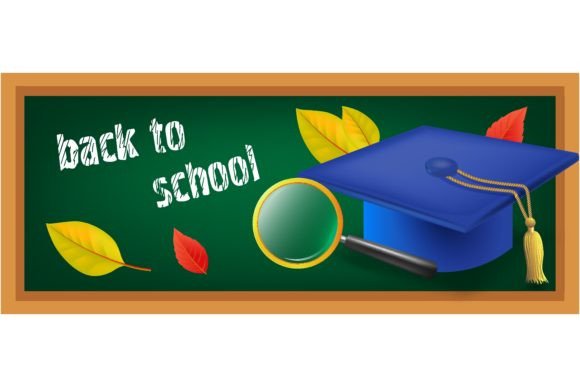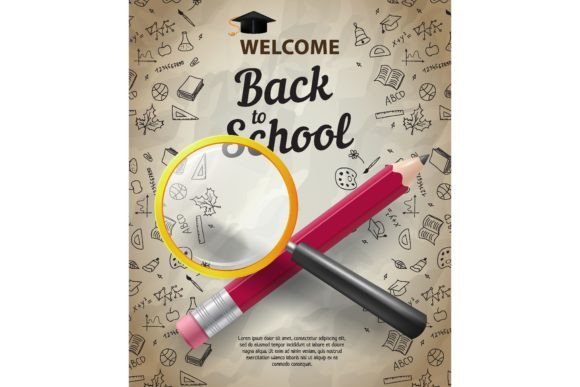
Welcome, Back to School Lettering with C
There’s a quiet power in lettering that feels both intentional and inviting—and Welcome, Back to School Lettering with C delivers exactly that. The “C” isn’t just decorative; it’s a visual anchor—clean, confident, and customizable. Whether it’s the curve of a calligraphic capital C cradling the phrase or the “C” standing in for “Classroom,” “Community,” or “Curiosity,” this variation adds structure without rigidity. It works because it balances familiarity with subtle distinction: instantly legible, yet distinctive enough to stand out on a bulletin board, brochure, or digital banner.
Why This Lettering Resonates With Real Projects
Designers and educators alike reach for Welcome, Back to School Lettering with C when they need clarity *and* character. Unlike generic fonts, this style carries tone—friendly but professional, warm but organized. That makes it ideal for audiences who value authenticity: school administrators crafting welcome packets, small-business owners launching after-school enrichment programs, or freelance designers building seasonal product bundles.
The “C” also invites smart integration. You might wrap text around its contour, tuck icons (like a tiny apple or open book) inside its negative space, or use it as a frame for a student photo. Its shape supports hierarchy: the “C” draws the eye first, then guides attention naturally into the rest of the message.
Versatile Applications Across Formats
This lettering thrives where consistency meets context. Here’s how different users apply it effectively:
- Educators & Administrators: Use it on printed welcome letters home—paired with a short handwritten note at the bottom—to reinforce approachability while maintaining institutional credibility.
- Freelance Designers: Bundle Welcome, Back to School Lettering with C as part of a seasonal design kit (with matching icons, borders, and editable color palettes) for Canva or Adobe Express users.
- Small Business Owners: Feature it on banners outside tutoring centers, art studios, or STEM camps—scaled large for visibility, then adapted smaller for social media profile highlights or email headers.
- Bloggers & Content Creators: Embed it in Pinterest-optimized graphics for “Back-to-School Prep” roundups—using the “C” as a consistent visual thread across multiple posts.
Pairing With Crossed Pencil and Loupe: A Smart Creative Extension
Add a crossed pencil and loupe to Welcome, Back to School Lettering with C, and you shift emphasis—from general welcome to focused learning. The crossed pencil signals creativity, practice, and hands-on work; the loupe suggests attention to detail, inquiry, and growth. Together, they’re not just decoration—they’re narrative cues.
This combination shines in contexts where process matters: teacher training materials, curriculum launch announcements, or workshop invitations for educators. It subtly communicates, “We care how learning happens—not just that it does.” For print pieces like brochures or program guides, place the icon set near the lettering’s baseline—not floating above—to preserve visual weight and readability.
Handwritten, Typed, or Calligraphic? Choose With Purpose
Don’t default to one style. Match execution to audience expectation and medium:
- Handwritten variants build warmth and immediacy—ideal for parent newsletters, classroom door signs, or Instagram Stories. Keep strokes relaxed but legible; avoid over-elaboration that sacrifices speed or scalability.
- Typed versions (especially clean sans-serifs with custom “C” flourishes) suit formal communications—district-wide memos, grant applications, or branded merchandise. They signal reliability and polish.
- Calligraphic treatments elevate invitations, award certificates, or opening-day banners. Use moderate contrast and generous spacing—calligraphy loses impact when cramped or overly ornate.
Pro tip: If offering this as a sale item (e.g., a downloadable design pack), include all three styles in layered PSD or vector formats—so buyers can mix, recolor, and adapt without losing quality.
Keeping It Clear, Consistent, and Audience-Friendly
Clarity starts with contrast. Ensure the “C” and supporting text meet WCAG 2.1 AA standards—especially if used in school communications where accessibility is non-negotiable. Test your design at 80% size: if the “C” dissolves into blur or the crossed pencil becomes indistinct, simplify.
Consistency comes from restraint. Pick *one* primary treatment (handwritten, typed, or calligraphic) per project—and extend that choice to supporting elements (bullets, dividers, icon style). Avoid mixing script fonts with ultra-modern sans-serifs unless intentionally juxtaposing eras or tones.
Audience-friendliness means knowing when *not* to use it. This lettering excels for K–12, community education, and creative learning spaces—but may feel misaligned for corporate leadership training or university-level academic departments unless thoughtfully adapted (e.g., pairing the “C” with minimalist typography and muted tones).
Ideas You Can Use This Week
Try one of these low-lift, high-impact adaptations:
- Create a printable “Welcome Wall” poster for classrooms: center Welcome, Back to School Lettering with C, add student name blanks beneath, and include a small crossed pencil + loupe in the corner—ready for teachers to print and personalize.
- Design a two-panel leaflet: front uses bold lettering with the “C” and icons; back lists practical tips (“3 Ways to Ease First-Day Jitters”) in clean, accessible type—keeping the same color palette and “C” motif as a subtle watermark.
- Build a social media carousel: Slide 1 features the full lettering; Slides 2–4 zoom in on the “C,” the crossed pencil, and the loupe—each with a one-sentence benefit (“This ‘C’ stands for Confidence-building routines”).
No need to reinvent. Start with what works—then refine for your people, your platform, and your purpose.